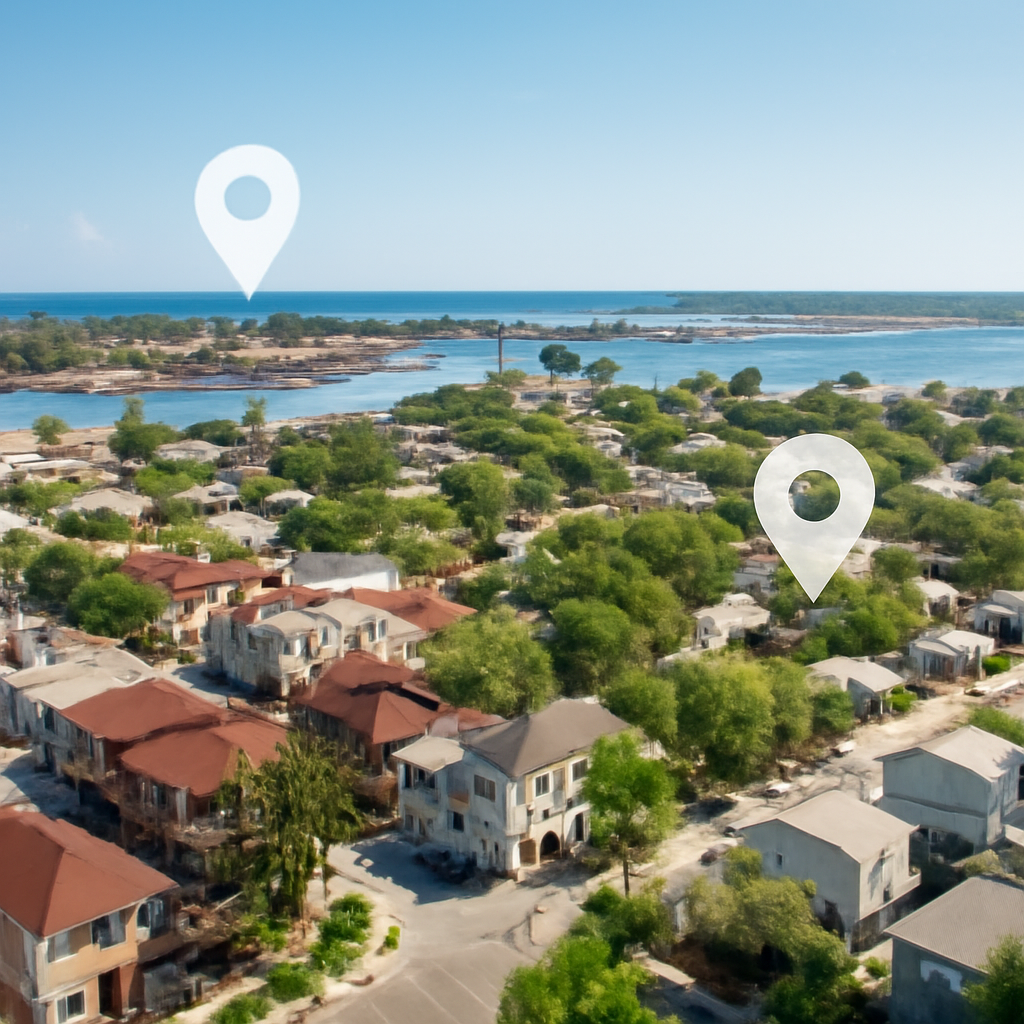
Moving to Saint Augustine, FL: Essential Tips for 2026
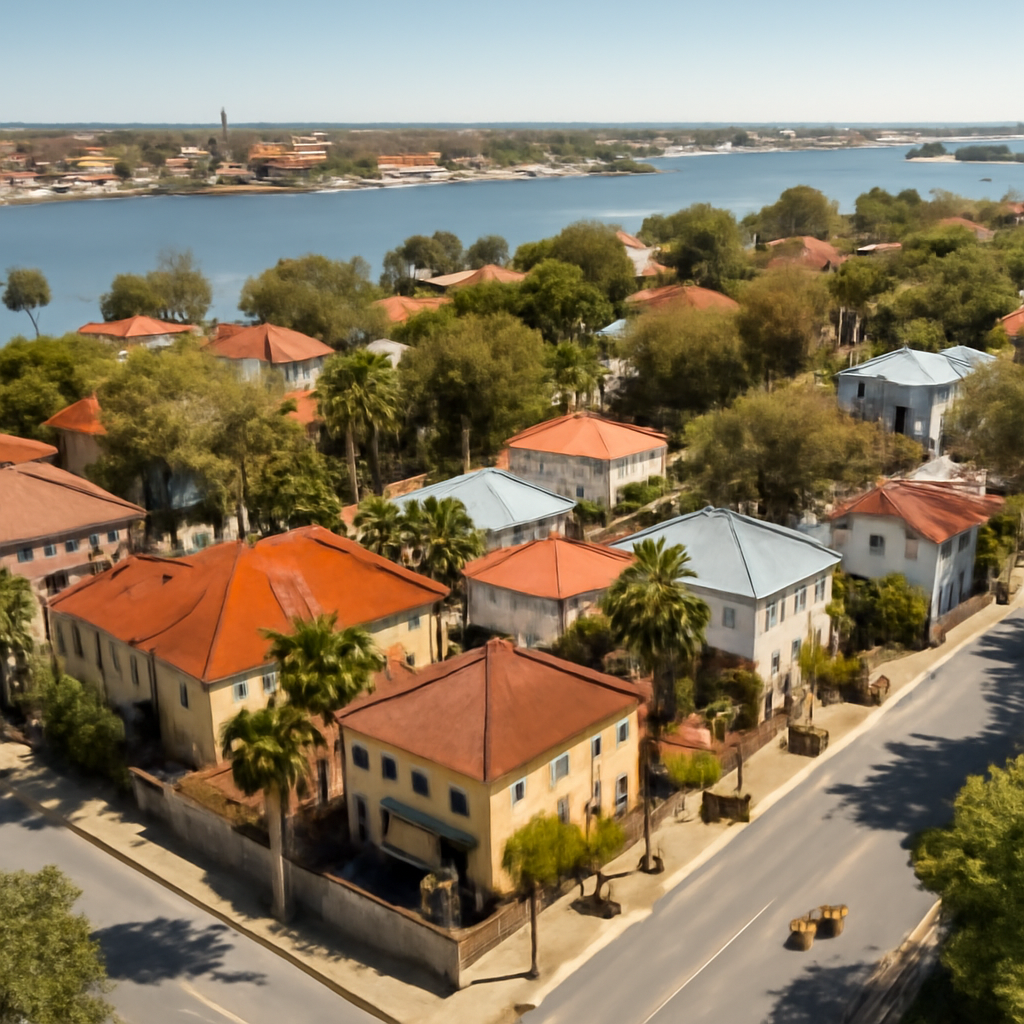
Moving to Saint Augustine, FL: Essential Tips for 2026
Moving to Saint Augustine FL in 2026 means entering one of Florida’s most historic coastal cities while it continues to grow steadily. According to U.S. Census QuickFacts, Saint Augustine’s population sits around 15,000 residents as of recent estimates, giving it a small-city scale with regional amenities. Prospective residents weigh housing costs, school quality, hurricane resilience, and commute options carefully. Understanding how Flagler College, Castillo de San Marcos, and St. Augustine Beach shape daily rhythms helps households decide which side of town best matches long-term plans.
How Affordable Is Housing When Moving to Saint Augustine FL in 2026?
Housing affordability often drives decisions about moving to Saint Augustine FL, especially for first-time buyers. According to Redfin data through mid-2025, typical closed-sale prices for Saint Augustine homes generally range between $380,000 and $520,000, depending on proximity to the waterfront and historic district. Condominiums east of A1A Beach Boulevard near St. Augustine Beach frequently trade in the $320,000 to $450,000 range. Historic cottages off St. George Street or King Street often command premiums because of short walking distances to restaurants and galleries.
Property tax expectations matter as much as list prices. Based on 2024 county data summarized by St. Johns County Property Appraiser, effective tax rates generally fall near 0.8% to 1.0% of assessed value, lower than many large Florida metros. Insurance costs rise closer to the ocean, especially within a mile of Vilano Beach or Anastasia State Park, where wind coverage and flood policies can add several thousand dollars annually. Buyers often balance those recurring expenses against the convenience of walking to the sand within 5 to 10 minutes.
HOA communities around State Road 312 and U.S. 1 give another affordability angle. Some townhome developments near the St. Augustine Premium Outlets carry monthly dues in the $200 to $350 range, according to listings tracked by Zillow in early 2025. Those dues often cover landscaping, amenities, and sometimes exterior maintenance. Detached homes in master-planned communities such as Palencia, just north along U.S. 1, frequently include fitness centers, pools, and golf access, trading higher purchase prices for lower out-of-pocket recreation spending.
Renters moving to Saint Augustine FL weigh a different set of numbers. According to mid-2025 estimates from RentCafe, typical one-bedroom apartments around San Marco Avenue or Ponce de Leon Boulevard often lease in the $1,500 to $1,900 per month range, while newer two-bedroom units near State Road 312 can reach $2,100 or more. Shorter commutes, newer construction, and amenities like gated entry and resort-style pools tend to push monthly rents toward the top of those bands.
Which Neighborhoods Best Fit Different Lifestyles in Saint Augustine?
The Historic District, stretching along St. George Street, Charlotte Street, and Aviles Street, appeals to residents who value architecture and walkability. According to Walk Score, central Saint Augustine posts a walk score around 63, meaning many errands can be completed on foot. Brick-lined sidewalks lead past the Lightner Museum, Flagler College, and small courtyards shaded by live oaks. Parking remains limited, so residents often favor smaller vehicles or rely on bikes and the city’s trolley-style transit options for weekend outings.
On warm evenings along San Marco Avenue near the St. Augustine Lighthouse shuttle stop, café patios fill with the clink of glasses and low murmur of conversation. The air carries sea salt from Matanzas Bay mixed with the aroma of grilled seafood from local restaurants. Streetlamps cast a soft glow across coquina walls, and the faint sound of live acoustic guitar drifts from a courtyard near the Castillo de San Marcos entrance, giving the area an intimate, coastal atmosphere even during peak tourist months.
Families often look west toward neighborhoods near St. Augustine High School and Murray Middle School, where larger lots and quieter streets dominate. Subdivisions off Masters Drive or along Lewis Speedway typically offer mid-size single-family homes, some built within the last 15 years. According to enrollment and rating data from GreatSchools, St. Augustine High School holds solid academic and college-prep marks as of 2025, which factors heavily into long-term planning for many relocating households.
Beach-oriented residents often concentrate along A1A Beach Boulevard toward St. Augustine Beach and Butler Beach. Condos facing the ocean provide sunrise views and easy boardwalk access, while single-family homes tucked along side streets such as 11th Street or 16th Street prioritize privacy. Farther north, Vilano Beach blends older bungalows with newer townhomes near the Vilano Beach Town Center. Driving across the Francis and Mary Usina Bridge to downtown generally takes about 10 to 15 minutes outside peak festival weekends.
How Strong Are Schools and Education Options Around Saint Augustine?
Moving to Saint Augustine FL often involves evaluating school performance as closely as housing. St. Johns County School District consistently ranks among Florida’s top systems. According to district reports summarized by St. Johns County School District, graduation rates have hovered between 94% and 96% in recent years, notably above state averages. Within city limits, R.B. Hunt Elementary near Anastasia Boulevard and Ketterlinus Elementary near Orange Street both benefit from active parent communities and proximity to parks and cultural sites.
Morning drop-off at R.B. Hunt Elementary brings the crisp smell of the Atlantic as car doors close in quick succession along Anastasia Boulevard. Children’s voices rise over the distant crash of waves from St. Augustine Beach, while palm fronds rustle against the school’s fences in the onshore breeze. Across the street, sunlight glints off bicycles locked near the entrance of nearby coffee shops, where the aroma of roasted beans mixes with sunscreen and salty air from Anastasia State Park.
Families interested in advanced programs often look to St. Augustine High School’s AICE and IB tracks or to nearby St. Johns County academies concentrating on healthcare, engineering, and information technology. GreatSchools profiles indicate several local campuses score between 7 and 9 out of 10 as of 2025, particularly in reading and college readiness. Charter options and magnet-style programs within driving distance give additional paths, especially for students serious about STEM fields or performing arts.
Postsecondary opportunities add another layer. Flagler College, located along King Street and Cordova Street, draws roughly 2,500 students to its liberal arts programs, according to Flagler College statistics for 2024. St. Johns River State College’s St. Augustine campus, just off State Road 16, supports workforce programs in nursing, business, and technical trades. Proximity to these campuses appeals to residents planning for adult education, mid-career changes, or college-aged children living at home.
What Should New Residents Know About Commuting and Transportation?
Transportation patterns shape daily life for anyone moving to Saint Augustine FL, especially commuters tied to Jacksonville or Palm Coast. Interstate 95 lies roughly 6 to 8 miles west of downtown via State Road 16 or State Road 207. According to 2024 traffic data from Florida Department of Transportation, peak northbound travel toward Jacksonville can stretch typical 45-minute drives into nearly 60 minutes on weekday mornings. Timing departures and leveraging remote work days often becomes essential for those working in Duval County.
Within the city, U.S. 1 and Ponce de Leon Boulevard serve as primary north–south corridors, connecting the Historic District with the St. Augustine Premium Outlets, Vilano Beach Bridge, and Palencia area. Traffic near King Street and West Castillo Drive increases significantly during Nights of Lights and spring festival weekends. Residents who live near St. Francis Street, Hypolita Street, or Granada Street often prefer walking or biking into the Historic District rather than circling for parking spaces. Bike lanes have expanded along Anastasia Boulevard, supporting safer rides between downtown and St. Augustine Beach.
Public transit options remain modest but useful for certain routes. The Sunshine Bus Company, operating under the St. Johns County Council on Aging, offers fixed-route buses connecting parts of Saint Augustine with key shopping and employment hubs. Schedules change periodically, but several lines link U.S. 1, State Road 312, and the Historic District. Ride-share services fill many gaps, especially at night or in less-served neighborhoods west of Lewis Speedway and along County Road 214.
Regional connections matter as well. Jacksonville International Airport sits roughly 50 miles north, typically an hour’s drive in moderate traffic. Daytona Beach International Airport lies about 60 miles south, offering additional flight options. Residents traveling frequently by air sometimes cluster near Interstate 95 interchanges to shorten airport runs. Meanwhile, day-to-day errands often stay hyperlocal, with many households completing grocery trips, school runs, and healthcare appointments within a 10-mile radius of central Saint Augustine.
How Do History, Culture, and Recreation Shape Daily Life in Saint Augustine?
Saint Augustine’s history permeates daily routines. The massive coquina walls of Castillo de San Marcos along Avenida Menendez overlook Matanzas Bay, anchoring a landscape that blends seventeenth-century fortifications with modern businesses on St. George Street. According to tourism figures summarized by Florida’s Historic Coast, millions of visitors arrive annually, but permanent residents experience those landmarks more gradually, often integrating early-morning walks along the bayfront or occasional tours with visiting relatives into predictable rhythms.
Recreation options extend beyond historic tours. Anastasia State Park offers more than 1,600 acres of dunes, maritime hammocks, and tidal marsh, with campsites and kayak rentals available. St. Augustine Beach provides volleyball courts, fishing pier access, and long stretches of sand suitable for running or cycling at low tide. Farther inland, Treaty Park and the Palencia boardwalks give residents dog parks, skate facilities, and wooded trails. These amenities reduce the need to drive long distances for nature access, especially for households that prioritize weekend outdoor time.
Culture thrives around King Street, Granada Street, and Aviles Street. The St. Augustine Amphitheatre on A1A South hosts national touring acts, farmers markets, and seasonal festivals, while the adjoining nature trails offer quiet respite on non-event days. Galleries near the Lightner Museum and along Aviles Street present local painters and sculptors. Restaurants on Cathedral Place, Hypolita Street, and Treasury Street introduce everything from Minorcan-inspired datil pepper dishes to contemporary coastal cuisine, giving residents extensive dining variety within a compact radius.
What Practical Factors Matter Most When Moving to Saint Augustine FL?
Moving to Saint Augustine FL involves weighing hurricane preparedness, healthcare access, and everyday services alongside scenery and culture. Flood zones vary sharply across short distances. According to flood maps referenced by FEMA, properties along low-lying segments of Anastasia Boulevard, Avenida Menendez, and certain streets near Davis Shores fall into higher-risk categories, affecting insurance and renovation decisions. Elevated areas west of U.S. 1 or near State Road 16 sometimes offer fewer flood-related restrictions, though wind and storm surge risks still require careful review.
Healthcare availability remains a strong point. Flagler Hospital on Health Park Boulevard operates as a regional medical center, with emergency services, cardiac care, and maternity facilities. Several urgent care clinics line U.S. 1 and State Road 312, reducing travel times for minor issues. According to 2024 facility statistics published by Flagler Health+, the hospital handles tens of thousands of emergency visits annually, serving not only Saint Augustine residents but also neighboring parts of St. Johns County and northern Flagler County.
Daily conveniences shape long-term satisfaction. Grocery options include Publix locations on A1A Beach Boulevard, U.S. 1, and State Road 312, plus specialty shops downtown near Cordova Street and King Street. Home improvement retailers cluster along U.S. 1 near State Road 312, while big-box stores around the St. Augustine Premium Outlets cover most general needs. Pet services, gyms, and childcare centers continue to expand westward along County Road 210 and International Golf Parkway, broadening the practical footprint of what residents consider the greater Saint Augustine area.
That 15,000-resident scale cited at the start of this guide reflects a community large enough to support robust amenities while remaining small enough to maintain recognizable streets and familiar faces. The St. Augustine & St. Johns County Board of Realtors market reports provide ongoing clarity about inventory, pricing bands, and emerging sub-neighborhoods. Buyers who monitor new listings weekly through the first quarter of 2026, register alerts with preferred portals, and schedule tours within 48 hours of promising properties hitting the market before the spring surge typically secure better locations and terms than households waiting for summer lulls that rarely materialize.